Luminous Futurism: not grey, not neon, not decorative green
The doctrine behind every picture in this paper, in plain words: what it is, what it refuses, and how to test an image against it.
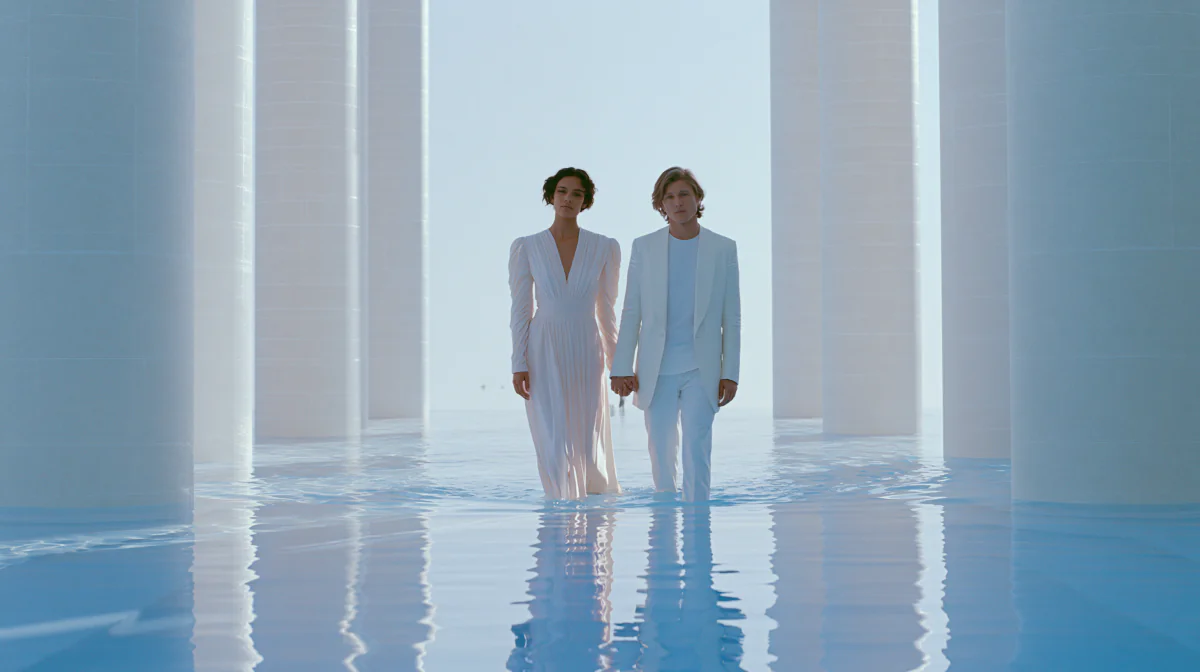
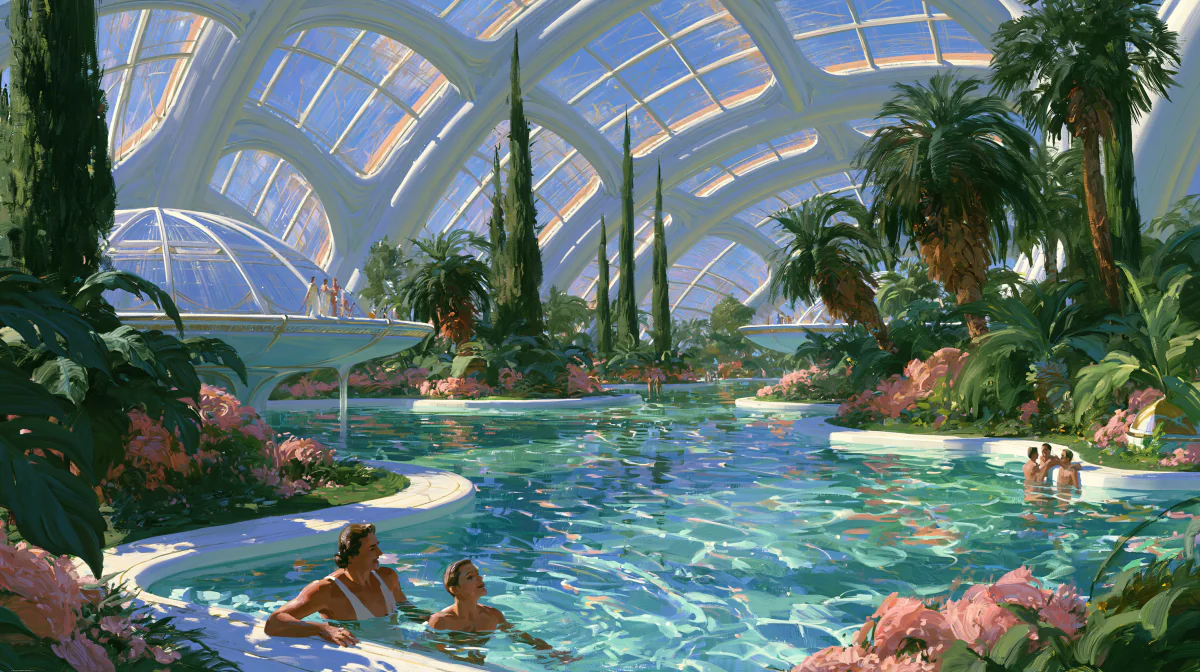
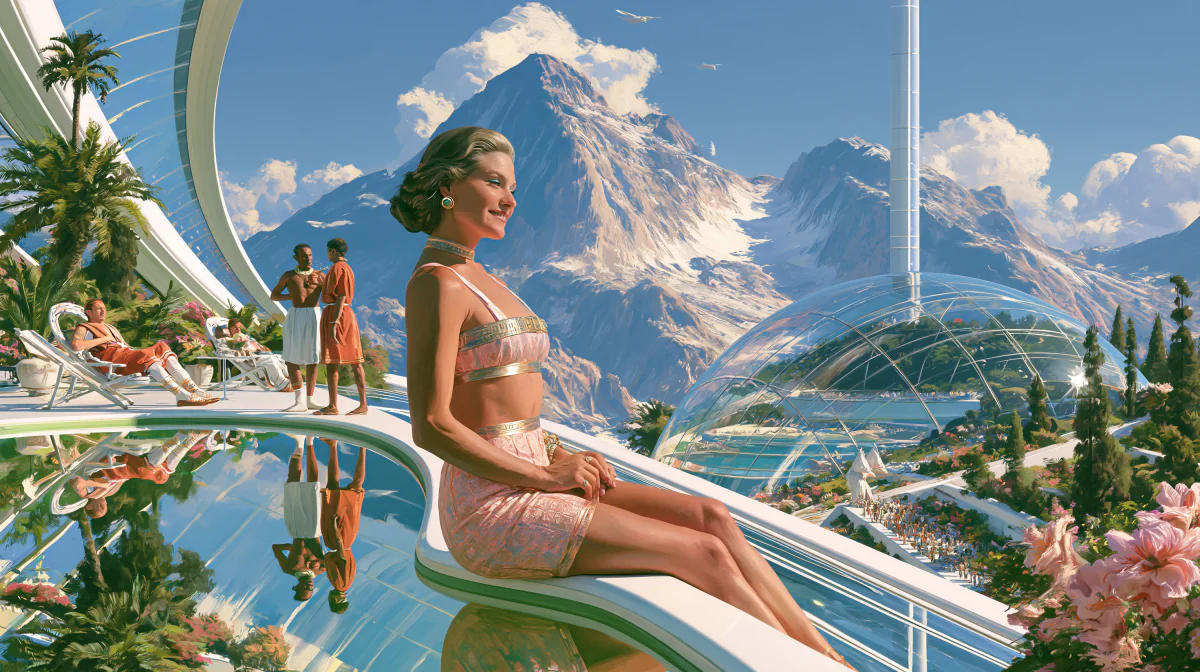
Luminous Futurism is the name Nexusland gives to its visual and cultural doctrine. The canon puts it in one line: the future should be warm, material, and human — and it is built, not awaited.
The longer definition joins six things — light, nature, technology, beauty, order, and human dignity — into one disciplined vision of a future in which a person can grow, create, serve, recover, and belong. Beneath it the canon names its highest reference plainly: agape, self-giving love.
01What it refuses
Three easy futures
The doctrine is easiest to understand through what it says no to. The canon names three futures that are easy to draw and hard to live in. The short readings beside them are ours.
- Grey minimalism
- Clean, quiet, and emptied of the life of the people who are meant to use it.
- Black-neon dystopia
- A warning that turned into decoration. The subject of this edition’s lead.
- Decorative green utopia
- Plants on lifeless towers: nature as an ornament rather than a place to live.
Not grey minimalism. Not black-neon dystopia. Not decorative green utopia.Luminous Futurism Statement, Nexusland canon
02Beyond solarpunk
Hope, and then order
Readers who know solarpunk will recognise the hope for a brighter future that lives with nature. The canon says Luminous Futurism shares that hope and then goes further — into civic order, institutional design, technological warmth, material honesty, aesthetic discipline, and a deeper concern for the human person: their dignity, growth, and belonging.
03The test
Five questions before a picture is published
The roadmap for the first year carries a checklist to be answered in writing before any Nexusland artifact is published. Five of its ten questions:
- Without the name
- Does it belong to Nexusland without depending on the wordmark?
- Warmth
- Does it express light, human dignity, and technological warmth?
- Use
- Can a real person use, inhabit, read, wear, repair, clean, or understand it?
- Time
- Would it still feel credible in ten years?
- Life
- Does it make the future feel more alive without becoming childish?
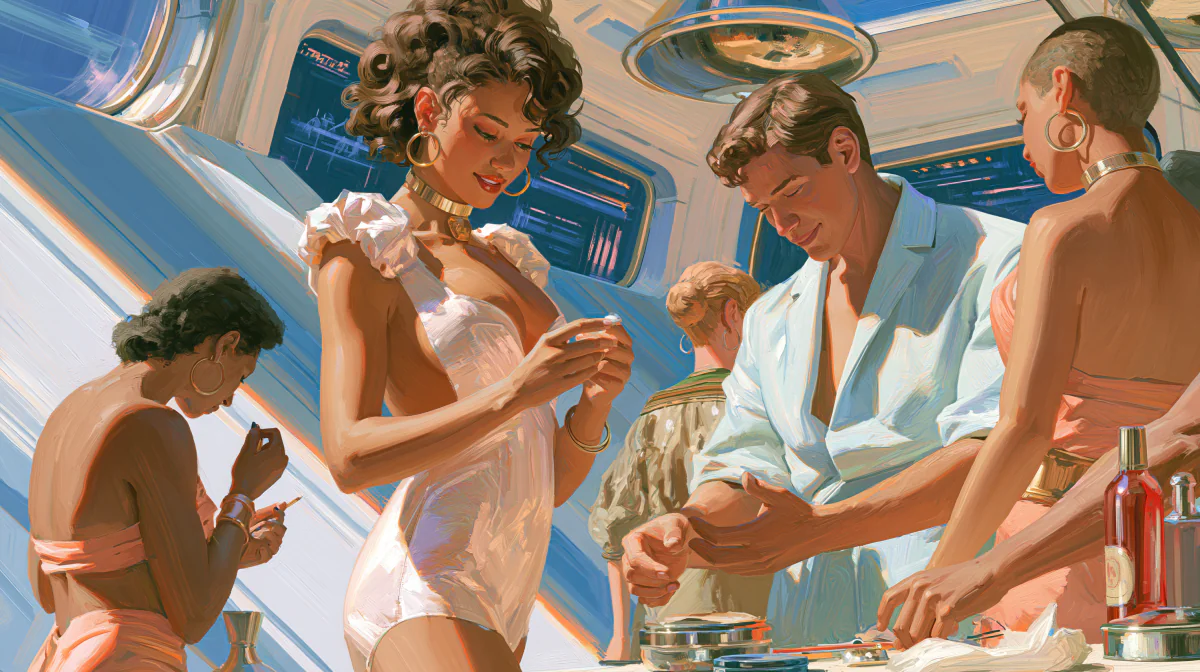
And one refusal from the same document, which we like for its plainness: no visual artifact is accepted only because it looks cinematic.
04Why the look comes first
First define the light
The roadmap puts the visual code before the public language and before any product: “First define the light. Then speak. Then build.” The reason it gives is practical. Every later artifact — a website, a film, an interface — borrows its emotional temperature from the look.
This paper is one of those artifacts. Its buttons are square, for structure. Its pictures are rounded, for the human scale. Marble, daylight, one typeface for headlines.
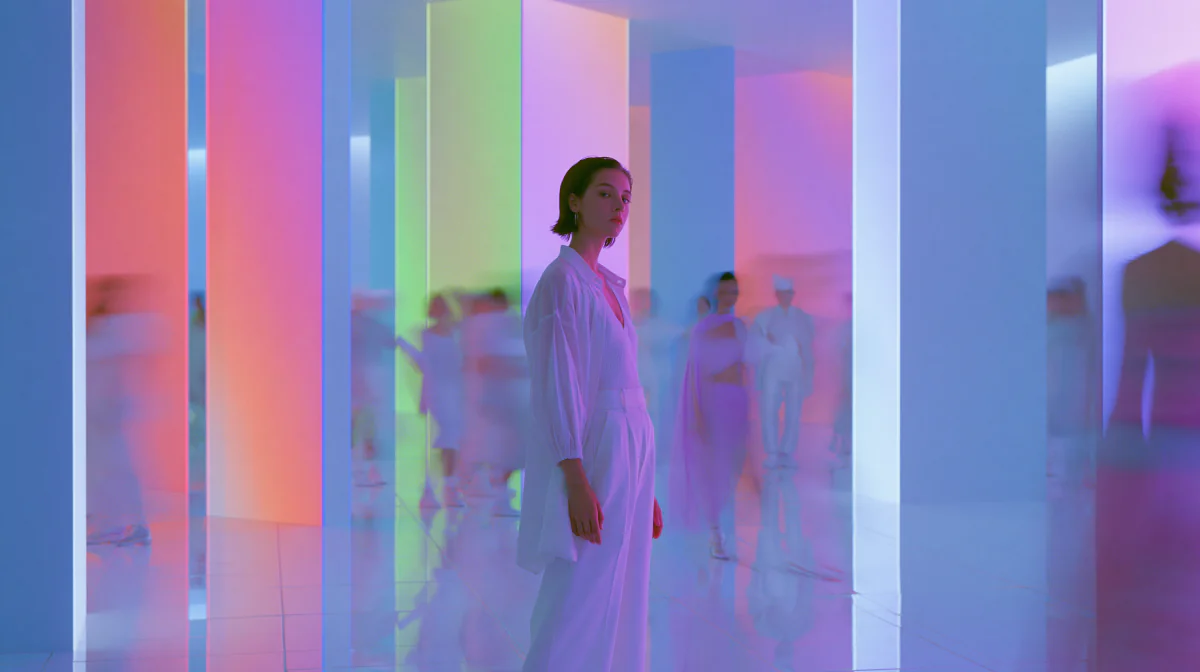
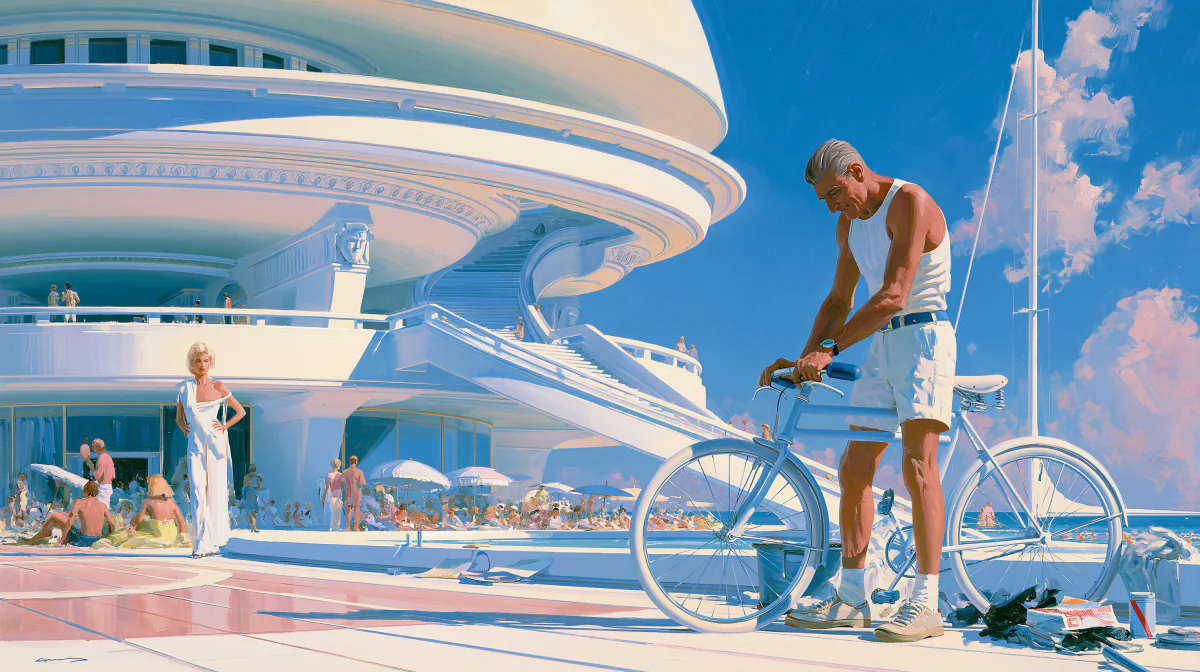
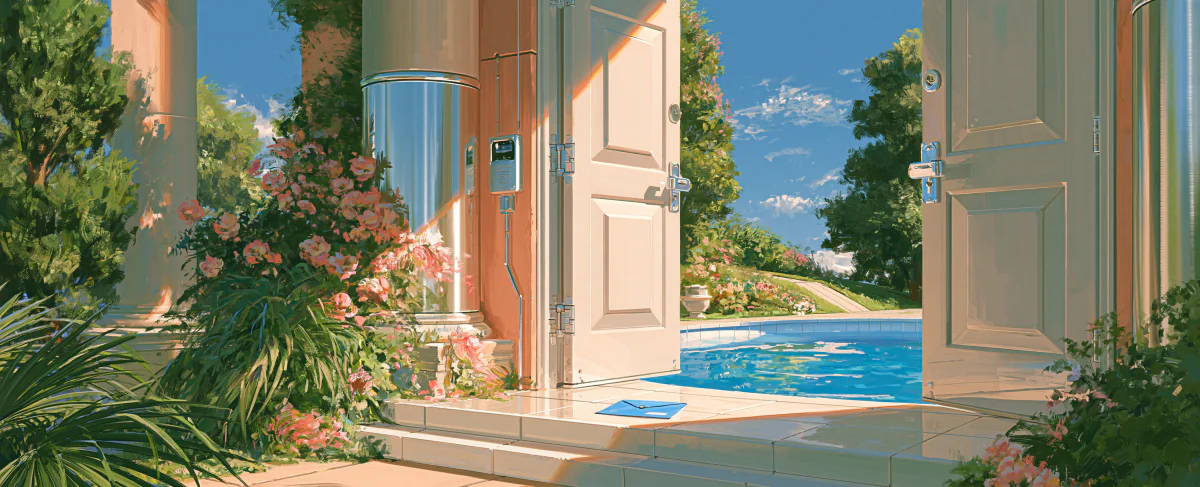
CONCEPTThe pictures in this paper are Nexusland Conceptual Art: images of an idea, not photographs of a built place. There is no live product yet. Here is what we are building.
Sources
- 1Nexusland canonLuminous Futurism Statement
- 2Nexusland canonProject Passport
- 3Nexusland canonThe Public Lexicon (June 2026)
- 4Nexusland canonThe Year One Roadmap, Appendix A: The Visual Review Checklist; Appendix B: the no-go list
Published in the first edition, 20 November 2026. Signed by the paper: Nexusland Today. If a fact here is wrong, it will be corrected openly, with a date. Corrections